
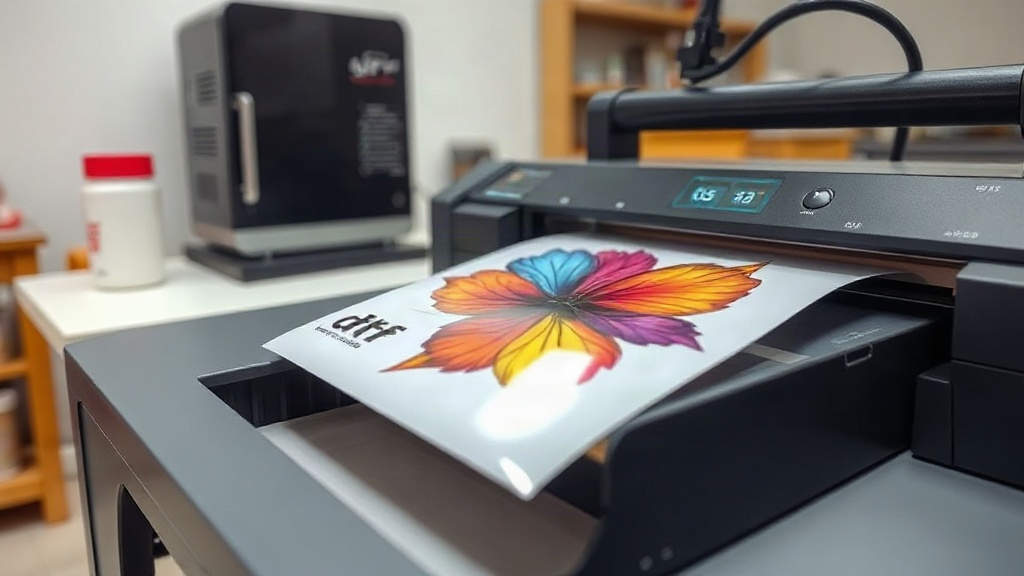
If you've been exploring custom apparel printing, you've likely encountered DTF printing. Short for Direct-to-Film, this method has rapidly gained popularity for its versatility and vibrant results. Unlike traditional techniques, DTF allows you to print full-color designs on a wide range of fabrics with minimal setup. In this guide, we'll walk you through the DTF process, its benefits, and how you can start using it for your projects.
What is DTF Printing?
DTF printing is a digital printing technology where designs are printed onto a special film, coated with adhesive powder, and then heat-pressed onto fabric. This process eliminates the need for pre-treatment or weeding, making it accessible for both small businesses and hobbyists. The film acts as a carrier, transferring the ink to the garment under heat and pressure.
The DTF Printing Process Step by Step
- Design Preparation: Create your artwork in a graphics program, ensuring it's mirrored if required by your printer's software.
- Printing: Using a DTF printer, the design is printed onto a PET film with specialty inks (usually pigment-based).
- Powder Application: While the ink is still wet, a hot-melt adhesive powder is applied evenly over the design.
- Curing: The film passes through a curing oven or heat press to melt the powder, creating a flexible adhesive layer.
- Transfer: The film is placed on the fabric and heat-pressed, transferring the design permanently.
Why Choose DTF Printing?
DTF printing offers several advantages that make it a standout choice:
- Fabric Versatility: Works on cotton, polyester, blends, and even treated nylon. No need for different inks or pre-treatment.
- No Weeding: Unlike vinyl cutting, there's no tedious weeding process, saving time and labor.
- Full-Color Prints: Achieve photorealistic designs with gradients and fine details without color limitations.
- Durability: Prints resist cracking, peeling, and fading even after multiple washes.
- Cost-Effective for Short Runs: Ideal for small batches or one-off custom items, as no screens or plates are required.
DTF vs. Other Printing Methods
How does DTF stack up against DTG (Direct-to-Garment) and screen printing?
DTF vs. DTG
DTG prints directly onto the garment, requiring pre-treatment for dark colors and often struggling with polyester. DTF transfers can be applied to almost any fabric without pretreatment, and the colors pop equally on dark and light materials. However, DTG may offer a softer hand feel on 100% cotton.
DTF vs. Screen Printing
Screen printing is cost-effective for large orders but involves setup time and costs per color. DTF excels for small to medium runs with complex designs, as there's no per-color cost. The durability of DTF is comparable, though screen printing may have a slight edge for extreme longevity.
Getting Started with DTF Printing
Ready to dive into DTF? Here's what you need:
- DTF Printer: Options range from converted inkjet printers to dedicated DTF machines. Research models that fit your budget and production volume.
- DTF Inks: Use pigment-based inks designed specifically for DTF. Quality inks ensure vibrant colors and durability.
- PET Film: Choose film thickness (usually 75-100 microns) based on your design intricacy. Thinner films for fine details.
- Adhesive Powder: Hot-melt powder (TPU-based) is standard. Apply evenly for a strong bond.
- Heat Press: A commercial heat press capable of uniform pressure and temperature (around 160°C/320°F) is essential.
- Curing Oven: For professional results, a curing oven ensures proper melting of the powder. Alternatively, a heat press can cure, but it's less consistent.
Tips for Success
- Test Your Settings: Each fabric and printer may require different temperature, pressure, and time. Always do test presses.
- Store Film Properly: Keep PET film in a cool, dry place to prevent curling or static.
- Maintain Your Printer: Regular cleaning and maintenance prevent clogged nozzles and ensure consistent output.
- Use Quality Powders: Cheap powders can cause clogging or poor adhesion. Invest in reputable brands.
Common Applications of DTF Printing
DTF is used for a variety of items beyond t-shirts:
- Sportswear: Jerseys, leggings, and performance wear benefit from stretchable prints.
- Denim and Canvas: Adds vibrant designs to tough fabrics.
- Accessories: Tote bags, hats, and even shoes can be customized.
- Promotional Items: Quick turnaround for events and corporate giveaways.
Frequently Asked Questions
How long do DTF prints last?
With proper application and care, DTF prints can last 50+ washes without significant fading or cracking. Following wash instructions (inside out, cold water, no bleach) extends longevity.
Can I use DTF on 100% polyester?
Yes, DTF works well on polyester, unlike DTG which may have adhesion issues. The low-temperature transfer process prevents dye migration, making it ideal for synthetic fabrics.
Do I need a special printer for DTF?
You can convert certain inkjet printers (like Epson) with DTF ink systems, but dedicated DTF printers offer better reliability and productivity. For beginners, a converted printer may suffice.
Is DTF printing cost-effective for small businesses?
Absolutely. With no minimum order and low setup costs, DTF is perfect for small businesses and startups. You can print one-off designs without breaking the bank.
What fabrics are not suitable for DTF?
Avoid fabrics with heavy coatings or waterproof treatments, as the adhesive may not bond properly. Also, some nylons require lower temperatures to prevent scorching.
Final Thoughts
DTF printing is a game-changer for custom apparel, offering flexibility, vibrant colors, and durability. Whether you're a hobbyist or a growing business, investing in DTF technology can open up new creative and revenue opportunities. Start with a small setup, master the process, and watch your designs come to life on almost any fabric.