
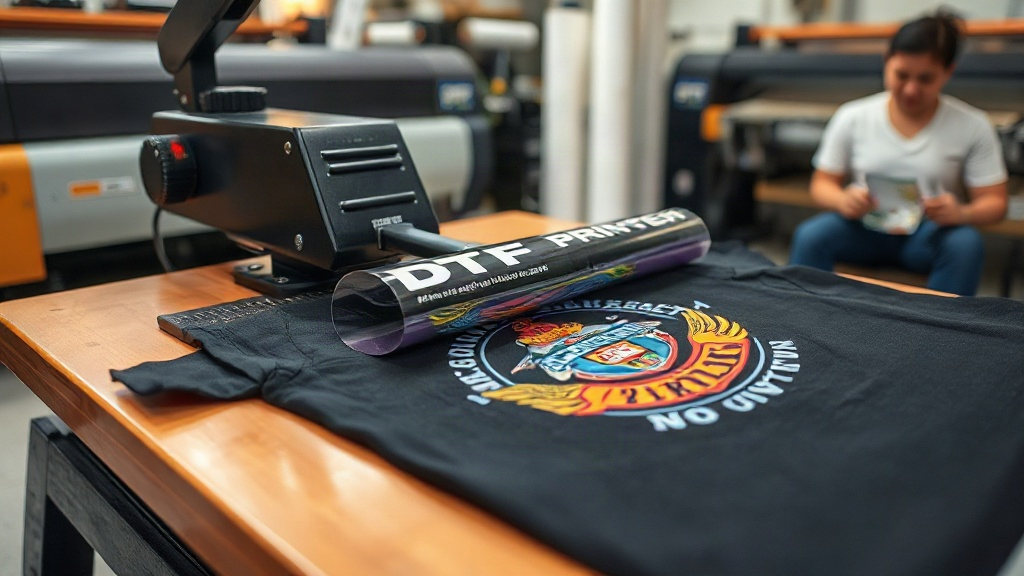
If you've been exploring custom apparel printing, you've likely encountered DTF transfers. This technology is rapidly gaining popularity for its versatility and vibrant results. Unlike traditional methods, DTF transfers allow you to print full-color designs on a wide range of fabrics with remarkable ease. In this guide, we'll walk you through everything you need to know to get started, from the basics of the process to expert tips for flawless application.
What Are DTF Transfers?
DTF stands for Direct-to-Film. It's a printing method where your design is printed onto a special film using a DTF printer, then coated with a adhesive powder. The film is then cured and can be transferred onto fabric using a heat press. This process eliminates the need for weeding and layering, making it ideal for complex, multi-color designs.
The DTF Printing Process
The process begins with creating your artwork digitally. The design is printed onto a PET film using specialized DTF inks (typically CMYK plus white). After printing, a fine layer of hot-melt adhesive powder is applied to the wet ink. The film is then heated to melt the powder, creating a dry, tacky surface. Once cooled, the transfer is ready to be applied to fabric.
Why Choose DTF Transfers?
DTF transfers offer several advantages over other decoration methods. Here are a few key benefits:
- Vibrant colors: DTF prints produce bright, detailed images with smooth gradients.
- Fabric versatility: Works on cotton, polyester, blends, and even some treated leathers.
- No weeding: Unlike vinyl, there's no tedious cutting or weeding involved.
- Durability: When applied correctly, DTF transfers withstand repeated washing without fading or cracking.
- Cost-effective for small runs: No setup fees or minimums, making it perfect for one-offs or small batches.
How to Apply DTF Transfers
Applying DTF transfers is straightforward, but following the right steps ensures a professional finish. Here's a step-by-step guide:
- Preheat your heat press: Set the temperature to around 300-325°F (150-160°C).
- Prepress the garment: This removes moisture and wrinkles, ensuring proper adhesion.
- Position the transfer: Place the DTF transfer on the garment with the printed side facing up.
- Press: Apply medium pressure for 10-15 seconds.
- Peel: Wait for the transfer to cool completely before peeling off the film (cold peel).
- Post-press (optional): For extra durability, cover with a Teflon sheet and press again for 5-10 seconds.
Common Mistakes to Avoid
Even with a simple process, mistakes can happen. Here are some pitfalls to watch out for:
- Insufficient pressure: Leads to poor adhesion and premature peeling.
- Wrong temperature: Too low and the transfer won't stick; too high and you may scorch the fabric.
- Peeling too soon: Always wait for the transfer to cool; peeling hot can distort the design.
- Not prepressing: Moisture and wrinkles can cause uneven transfer.
DTF Transfers vs. Other Printing Methods
How does DTF stack up against screen printing, DTG, and vinyl? Let's compare:
- Screen printing: Better for large orders, but DTF wins for complex designs and small runs.
- DTG (Direct-to-Garment): DTG requires pretreating and works best on 100% cotton; DTF works on more fabrics and often has more vibrant colors.
- Vinyl: Vinyl is limited to simple, single-color designs; DTF handles full-color images with ease.
Tips for Flawless DTF Transfers
To achieve professional results, keep these tips in mind:
- Use quality film and powder: Cheaper materials can lead to inconsistent results.
- Store transfers properly: Keep them in a cool, dry place away from direct sunlight.
- Test your settings: Every heat press is different; always do a test press.
- Clean your printer regularly: Maintain your DTF printer to avoid clogged nozzles and streaks.
Frequently Asked Questions
Can I use DTF transfers on dark fabrics?
Yes, DTF transfers include a white ink layer, so they show up vividly on both light and dark garments.
How long do DTF transfers last?
With proper application and care, DTF transfers can last 50+ washes without significant fading or cracking.
Do I need a special printer for DTF?
Yes, you need a DTF printer that uses DTF inks and can print on film. However, you can also purchase pre-printed transfers from suppliers.
What fabrics work best with DTF?
DTF works on cotton, polyester, blends, and even some nylons. It's not recommended for fabrics with heavy coatings or waterproof treatments.
Can I stretch DTF transfers?
DTF transfers have some stretchability, but they may crack if stretched excessively. For stretchy fabrics, consider using a stretch additive or low-stretch designs.
With this guide, you're ready to dive into the world of DTF transfers. Whether you're a hobbyist or a business owner, mastering this technique opens up endless possibilities for custom apparel. Remember, practice makes perfect, so don't be afraid to experiment and refine your process.