
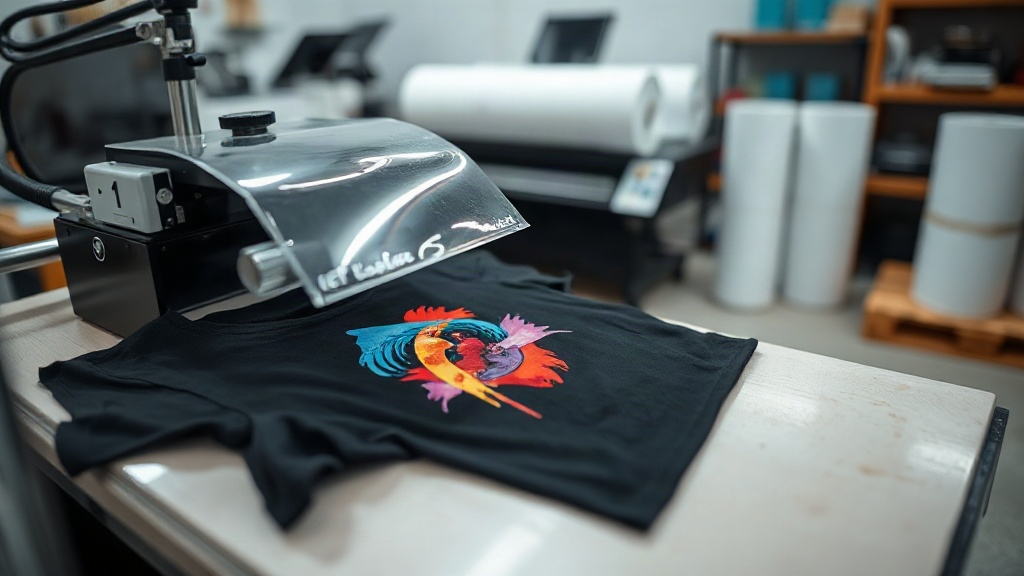
If you've been exploring custom apparel printing, you've likely encountered DTF transfers. This innovative technology is transforming how small businesses and hobbyists create vibrant, durable prints on a wide range of fabrics. Unlike traditional methods, DTF transfers offer a unique blend of versatility, ease of use, and stunning detail. In this guide, we'll walk you through everything you need to know to get started, from the basics of the process to expert tips for flawless application.
Whether you're a seasoned screen printer looking to expand your offerings or a complete newbie eager to print your first t-shirt, understanding DTF transfers can open up a world of creative possibilities. Let's dive in.
What Are DTF Transfers?
DTF stands for Direct-to-Film. It's a printing method where your design is printed onto a special PET film using water-based inks, then coated with a hot-melt adhesive powder. Once the powder is cured, the transfer is ready to be applied to fabric using a heat press. The result is a soft, stretchable print that bonds permanently to the material.
The key difference between DTF and other transfer methods like DTG or sublimation is that DTF doesn't require pre-treatment of the fabric, and it works on almost any material, including cotton, polyester, blends, and even leather. This makes DTF transfers incredibly versatile for a variety of projects.
The DTF Printing Process Explained
To create a DTF transfer, you need a few key components: a DTF printer, DTF ink, PET film, and hot-melt powder. The process involves printing your design onto the film (usually in reverse), applying the powder while the ink is still wet, shaking off the excess, and then curing the powder with heat. The cured film can be stored for later use or applied immediately.
The magic happens during application: heat and pressure release the design from the film and bond it to the fabric. The adhesive powder melts and fuses with the fibers, creating a durable, wash-resistant print.
Why Choose DTF Transfers Over Other Methods?
There are several compelling reasons why DTF transfers have become a go-to for many printers. Let's break down the main advantages.
- Versatility: Works on nearly any fabric, including those that are difficult for other methods, like nylon and leather.
- No pre-treatment: Saves time and avoids the mess of applying pre-treat solutions, especially for dark garments.
- Vibrant colors: DTF inks produce bright, opaque prints even on dark backgrounds without a white underbase.
- Soft feel: The prints are thin and stretchable, making them comfortable to wear.
- Durability: When applied correctly, DTF prints withstand repeated washing without cracking or fading.
- Cost-effective for small batches: Unlike screen printing, there's no need for multiple screens, making short runs affordable.
However, DTF isn't perfect for every situation. For large orders, screen printing may be more economical. And while the feel is soft, it's not completely unnoticeable like dye sublimation on polyester. But for many applications, the benefits far outweigh the drawbacks.
Step-by-Step Guide to Applying DTF Transfers
Applying a DTF transfer is straightforward, but attention to detail ensures a professional finish. Follow these steps for best results.
1. Prepare Your Workspace and Materials
You'll need a heat press, your DTF transfer, the garment, and a protective sheet (like parchment paper or Teflon). Ensure your heat press is stable and set to the correct temperature. For most DTF transfers, a temperature of 300-325°F (150-160°C) is ideal, but always check the instructions from your transfer supplier.
2. Pre-press the Garment
Pre-pressing removes moisture and wrinkles from the fabric. This step is crucial because moisture can interfere with adhesion. Press the garment for 5-10 seconds at the application temperature. Let it cool slightly before proceeding.
3. Position the Transfer
Place the DTF transfer onto the garment with the printed side facing up (the design should be readable). If you're using a transfer with a carrier film, the design is already oriented correctly. Use heat-resistant tape if needed to keep it in place.
4. Apply Heat and Pressure
Cover the transfer with a protective sheet. Press down with medium to firm pressure for 10-15 seconds. The exact time can vary based on your press and transfer, so test with a scrap piece first. After pressing, allow the garment to cool completely before peeling the film.
5. Peel the Film
DTF transfers are typically cold peel, meaning you wait until the transfer is completely cool before removing the film. Peel it off slowly in one smooth motion. If any part of the design lifts, press again for a few seconds.
6. Post-Press for Durability
For added durability, some recommend a second press with a protective sheet for 5-10 seconds. This helps the adhesive fully set. Then, your garment is ready to wear!
Common Mistakes to Avoid with DTF Transfers
Even though DTF is user-friendly, a few missteps can ruin your print. Here are the most common pitfalls and how to avoid them.
- Insufficient pressure: If the pressure is too low, the transfer won't adhere properly, leading to peeling. Adjust your press to medium-firm pressure.
- Wrong temperature: Too hot and the film may melt or the ink may scorch; too cold and the adhesive won't activate. Use an infrared thermometer to verify your press temperature.
- Not pre-pressing: Skipping pre-pressing can trap moisture, causing bubbles or poor adhesion.
- Peeling too soon: Always wait for the transfer to cool completely before peeling. Peeling while hot can stretch or distort the design.
- Using too much powder: When making your own transfers, excess powder can create a rough texture. Shake off all excess before curing.
By avoiding these mistakes, you'll consistently achieve great results.
DTF Transfers on Different Fabrics
One of the biggest advantages of DTF transfers is their compatibility with a wide range of materials. Let's look at how they perform on common fabric types.
Cotton and Cotton Blends
DTF transfers adhere beautifully to cotton and blends, producing vibrant, durable prints. The natural fibers allow the adhesive to bond well. For best results, pre-press to remove wrinkles and moisture.
Polyester and Synthetic Fabrics
Polyester can be tricky because it's heat-sensitive. Use lower temperatures (around 280-300°F) and shorter press times to avoid scorching or dye migration. DTF transfers still work well, but testing is key.
Specialty Fabrics (Leather, Nylon, etc.)
DTF shines on materials that are difficult for other printing methods. Leather, nylon, and even canvas can be decorated with DTF transfers. However, always test on a small area first, as some coatings may affect adhesion.
Frequently Asked Questions About DTF Transfers
How long do DTF transfers last?
When applied correctly, DTF transfers can last as long as the garment itself. They withstand repeated washing without cracking or fading. To maximize longevity, turn the garment inside out and wash in cold water, then tumble dry low or hang dry.
Can I stretch DTF transfers?
Yes, DTF prints are stretchable and flexible, making them ideal for athletic wear and stretchy fabrics. However, excessive stretching may cause the print to crack over time, so it's best to avoid over-stretching the garment.
Do I need a special printer for DTF?
Yes, DTF requires a dedicated DTF printer that uses water-based DTF inks and a powder shaker. You can also buy pre-made DTF transfers from suppliers if you don't want to invest in the equipment.
What's the difference between DTF and DTG?
DTG (Direct-to-Garment) prints directly onto the fabric, while DTF prints onto a film first and then transfers to the fabric. DTF works on more fabric types and doesn't require pre-treatment, but DTG can be more cost-effective for 100% cotton garments in large quantities.
Can I use DTF transfers on dark colors?
Absolutely. DTF transfers include a white ink layer that makes colors pop on dark fabrics without the need for a white underbase. This is one of the main advantages over DTG, which often requires pre-treatment on darks.
With this knowledge, you're ready to explore the world of DTF transfers. Whether you're printing custom t-shirts for your brand or personalizing gifts, DTF offers a reliable, high-quality solution. Remember to practice, test, and enjoy the creative freedom it brings.