
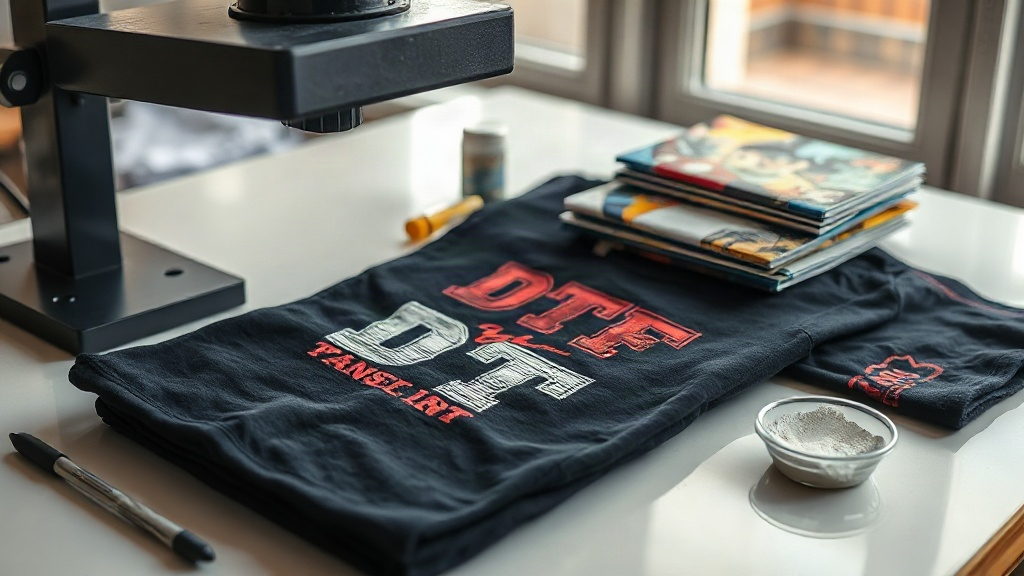
When you're looking to create custom apparel that stands out, the printing method you choose can make or break the final product. DTF transfers have emerged as a game-changer in the world of garment decoration, offering unparalleled versatility and vibrant results. Unlike traditional methods that often limit your fabric choices or require complex setups, DTF transfers open up a realm of possibilities for businesses and hobbyists alike. In this guide, we'll dive deep into what DTF transfers are, how they work, and why they might be the perfect solution for your next project.
What Are DTF Transfers?
DTF stands for Direct to Film. It's a printing technology where your design is printed onto a special film, coated with a adhesive powder, and then heat-pressed onto the fabric. This process allows for intricate, full-color designs to be transferred onto a wide range of materials, including cotton, polyester, blends, and even leather. The result is a soft, stretchable print that feels like part of the garment, not a plastic layer on top.
How DTF Transfers Work: Step by Step
Understanding the DTF process can help you appreciate its capabilities and ensure you get the best results. Here's a breakdown of the steps involved:
- Design Preparation: Your artwork is prepared digitally, with colors separated and mirrored if necessary.
- Printing: The design is printed onto a PET film using specialized DTF inks (often pigment-based) and a white ink layer for opacity.
- Powder Application: A hot-melt adhesive powder is sprinkled over the wet ink, then excess powder is shaken off.
- Curing: The film is heated to melt the powder, creating a dry, tacky surface that will bond with the fabric.
- Transfer: The film is placed on the garment and heat-pressed. After cooling, the film is peeled away, leaving the design behind.
Each step requires precision, but once mastered, DTF transfers yield consistent, high-quality results.
Why Choose DTF Transfers Over Other Methods?
If you've tried screen printing, vinyl, or DTG, you know each has its limitations. DTF transfers shine in several key areas:
- Fabric Versatility: Works on almost any fabric, including those that are hard to print on like nylon and leather.
- No Color Limitations: Full-color designs with gradients and fine details are no problem.
- Durability: Prints resist cracking, peeling, and fading even after multiple washes.
- Cost-Effective for Short Runs: No setup fees or minimums, making it ideal for small batches and personalized items.
- Soft Hand Feel: The print is flexible and lightweight, not stiff like some alternatives.
Applications of DTF Transfers
DTF transfers are used across a spectrum of industries and personal projects. Here are some popular applications:
- Custom T-Shirts: Perfect for team uniforms, event merch, and fashion apparel.
- Sportswear: The stretchability accommodates athletic wear without cracking.
- Denim and Jackets: Adds a premium look to denim without the bulk.
- Promotional Items: Great for tote bags, hats, and more.
- Home Decor: Pillows, quilts, and fabric art can all benefit.
How to Apply DTF Transfers for Best Results
Getting a professional finish with DTF transfers requires attention to detail. Follow these tips to ensure success:
1. Choose the Right Film and Powder
Not all DTF films are created equal. Look for films that are designed for your specific fabric type. The adhesive powder should match the film and be applied evenly.
2. Preheat Your Heat Press
Set your heat press to the temperature recommended by your film supplier, typically between 300°F and 350°F (150°C-175°C). Preheat the garment for a few seconds to remove moisture.
3. Position and Press
Place the transfer film on the garment with the design facing up. Apply medium to firm pressure for 10-15 seconds. Avoid moving the film during pressing.
4. Peel with Care
Wait for the transfer to cool completely before peeling. Peel in a smooth, continuous motion. If any part lifts, press again for a few seconds.
5. Post-Press for Durability
For extra durability, cover the design with a Teflon sheet or parchment paper and press again for 5-10 seconds. This ensures the adhesive fully bonds.
Common Mistakes to Avoid
Even experienced crafters can run into issues. Here are pitfalls to watch out for:
- Insufficient Pressure: Leads to poor adhesion and early peeling.
- Wrong Temperature: Too hot can scorch the fabric; too cool won't activate the adhesive.
- Peeling Too Soon: Always let it cool; peeling while hot can distort the design.
- Using the Wrong Powder: Each film type has a matching powder; don't mix and match.
- Ignoring Fabric Prep: Always pre-press to remove wrinkles and moisture.
DTF Transfers vs. Other Printing Methods
Let's compare DTF to screen printing, DTG, and vinyl to see where it stands:
DTF vs. Screen Printing
Screen printing is cost-effective for large orders but requires setup and is limited to certain fabrics. DTF has no setup, works on more fabrics, and is better for detailed designs.
DTF vs. DTG
DTG (Direct to Garment) is great for cotton but struggles with synthetics and dark colors. DTF excels on both and offers more vibrant colors on dark fabrics.
DTF vs. Vinyl
Vinyl is durable but limited to simple, single-color designs. DTF handles complex, multi-color images with ease.
Frequently Asked Questions About DTF Transfers
How long do DTF transfers last?
With proper application and care, DTF transfers can last as long as the garment itself. They withstand 50+ washes without significant fading or cracking when washed inside out in cold water and tumble dried low.
Can I use DTF transfers on dark colors?
Absolutely. DTF transfers include a white ink base that makes colors pop on dark fabrics. This is one of their biggest advantages over DTG.
Do I need a special printer for DTF?
Yes, DTF requires a printer that uses DTF inks and can print white ink. However, you can also purchase pre-printed DTF transfers from suppliers and apply them with a heat press.
What fabrics work best with DTF transfers?
DTF works on cotton, polyester, blends, nylon, leather, and more. It's particularly useful for fabrics that are difficult to print with other methods.
Is DTF transfers cost-effective for small businesses?
Yes, DTF is ideal for small businesses because there are no minimum order quantities or setup fees. You can produce one-off items or small batches profitably.
Whether you're a seasoned apparel decorator or just starting out, DTF transfers offer a versatile, durable, and vibrant solution for bringing your designs to life. With the right techniques and a bit of practice, you can achieve professional results that impress your customers and elevate your brand.