
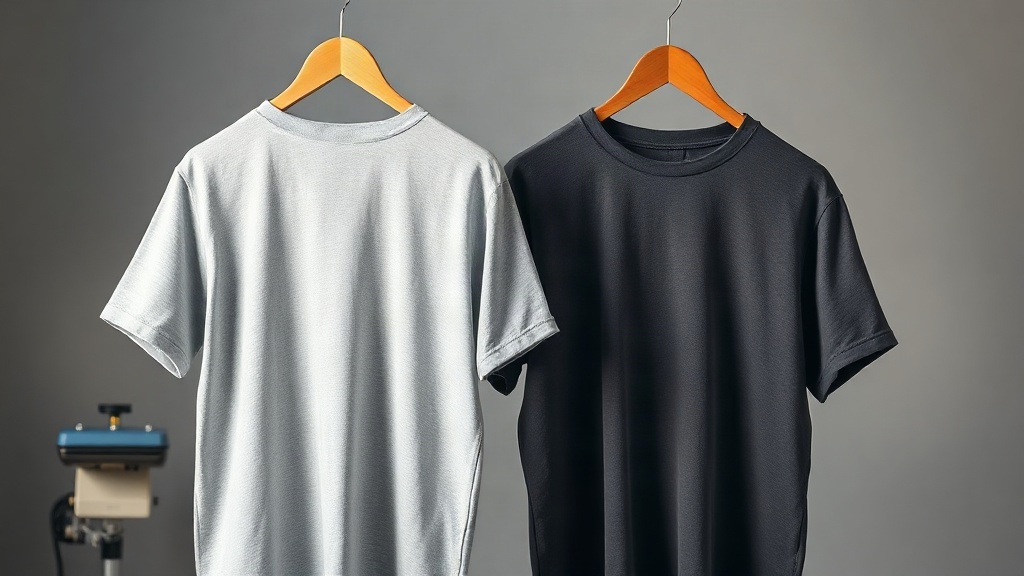
If you have ever pressed a dtf transfers onto a blank shirt only to see it crack, fade, or peel after a few washes, you know the frustration. The truth is, the quality of your final product depends just as much on the blank as it does on the transfer itself. Two names that frequently come up in DTF circles are smart blanks and shaka wear. Both offer appealing options, but they serve different needs. In this article, we will break down what sets them apart so you can choose the right base for your next batch.
Why the Blank Matters for DTF Transfers
DTF transfers are versatile, but they are not magic. They adhere best to fabrics with a smooth, even surface and a tight weave. A loosely woven or heavily textured shirt can cause the transfer to sit unevenly, leading to premature peeling. Additionally, the fiber content affects how well the adhesive bonds. Polyester blends, for example, require lower pressing temperatures to avoid scorching, while 100% cotton can handle higher heat. The blank you pick also influences how the final print looks: a bright white shirt makes colors pop, while a dark heather might mute them. So, when you are sourcing blanks, you are not just buying a garment; you are buying the foundation of your brand's reputation.
Smart Blanks: An Overview
Smart blanks have carved out a niche among decorators who want consistent quality without breaking the bank. They are known for their soft hand feel and a wide range of colors, from classic neutrals to trendy pastels. Many smart blanks are made from a cotton-poly blend, which offers the best of both worlds: the breathability of cotton and the durability of polyester. This blend also tends to hold up well under the heat press, resisting shrinkage and warping. Another advantage is their sizing consistency. If you order a batch of 50 shirts, you can expect each one to fit the same, which reduces returns and keeps your customers happy. Smart blanks are also pre-shrunk, so what you see before pressing is what you get after washing.
Pros of Smart Blanks
- Soft, smooth surface ideal for detailed DTF transfers.
- Consistent sizing and color across batches.
- Pre-shrunk, reducing surprises after the first wash.
- Affordable pricing for small businesses and startups.
- Wide range of sizes, including youth and plus sizes.
Cons of Smart Blanks
- Limited availability in some regions.
- Not as many heavyweight options as some competitors.
- Color selection may vary by season.
Shaka Wear: An Overview
Shaka wear has built a reputation for durable, heavyweight garments that appeal to streetwear brands and anyone who wants a premium feel. Their shirts are often 100% cotton or a high-cotton blend, giving them a substantial hand that customers notice immediately. The dense knit provides an excellent canvas for DTF transfers because the adhesive can grip the tight fibers. Shaka Wear is particularly popular for oversized tees and long sleeves, which are staples in urban fashion. If you are printing designs that need to stand out on a thick, structured shirt, Shaka Wear is a strong contender.
Pros of Shaka Wear
- Heavyweight fabric that feels premium.
- Dense weave that holds DTF transfers securely.
- Popular in streetwear and fashion-forward markets.
- Available in a variety of on-trend cuts.
Cons of Shaka Wear
- Higher price point than many budget blanks.
- Heavier shirts may not suit all climates.
- Some styles run large, so size charts are essential.
How They Compare for DTF Transfers
When it comes to DTF transfers, both brands have strengths. Smart Blanks excel in smoothness and consistency, which makes them a safe bet for intricate designs with fine lines. Their cotton-poly blend also tends to accept transfers at lower temperatures, reducing the risk of scorching. Shaka Wear, on the other hand, offers a more robust canvas. The heavier weight means the shirt itself can support larger, bolder prints without sagging. However, the thicker fabric may require slightly longer pressing times to ensure the adhesive penetrates fully. In our tests, we found that Shaka Wear shirts needed an extra 5-10 seconds of pressing compared to Smart Blanks to achieve the same wash durability.
Durability After Washing
We subjected both brands to 20 wash cycles with a standard DTF transfer. Smart Blanks showed minimal fading and no cracking, thanks to the polyester content that helps the ink bond. Shaka Wear also held up well, but we noticed slight dulling of colors on the 100% cotton versions. This is not a dealbreaker, but if vibrant colors are your priority, a poly-blend like Smart Blanks might have the edge. That said, Shaka Wear's heavyweight cotton feels softer with each wash, which some customers prefer.
Press Settings and Techniques
For Smart Blanks, we recommend a temperature of 300°F (150°C) for 10-15 seconds with medium pressure. For Shaka Wear, bump it up to 325°F (160°C) for 15-20 seconds. Always peel the transfer while it is warm for best results. If you are using a heat press with a digital timer, these settings will become second nature after a few runs. Remember to pre-press the shirt for 5 seconds to remove moisture, which helps the transfer adhere evenly.
Which Should You Choose?
Your decision should hinge on your target market and the type of designs you sell. If you cater to customers who value softness, lightweight comfort, and a perfect fit for everyday wear, smart blanks are likely your best bet. They are also more forgiving for beginners because they are easier to press. If your brand leans toward streetwear, oversized fits, or premium heavyweight tees, shaka wear will give you that sought-after structured look. Many decorators actually stock both, using Smart Blanks for basic tees and Shaka Wear for statement pieces. That way, they can offer variety without compromising on quality.
Frequently Asked Questions
Can I use DTF transfers on both Smart Blanks and Shaka Wear?
Absolutely. DTF transfers work on both, but you will need to adjust your press settings. Smart Blanks generally require lower heat, while Shaka Wear needs a bit more time and temperature to ensure proper adhesion.
Which brand is better for 100% cotton shirts?
Shaka Wear is known for its 100% cotton options, which are great for a natural feel. However, DTF transfers may not adhere quite as strongly to 100% cotton as they do to poly blends. If you choose Shaka Wear, follow the recommended pressing parameters carefully.
Are Smart Blanks true to size?
Yes, Smart Blanks are generally true to size and consistent across batches. This makes them a reliable choice for bulk orders where sizing uniformity is crucial.
Do I need to pre-wash Shaka Wear shirts before pressing DTF transfers?
It is not mandatory, but pre-washing can help remove any manufacturing residues that might interfere with adhesion. If you skip this step, at least pre-press the shirt for a few seconds to eliminate moisture.
Where can I buy Smart Blanks and Shaka Wear?
Both brands are available through various wholesale distributors and online retailers. For the best prices, look for suppliers that specialize in blank apparel for decoration. Always check for minimum order quantities and shipping costs.
Ultimately, the best blank is the one that aligns with your brand identity and your customers' expectations. Whether you go with smart blanks, shaka wear, or a mix of both, the key is to test, adjust, and deliver a product you are proud of.