
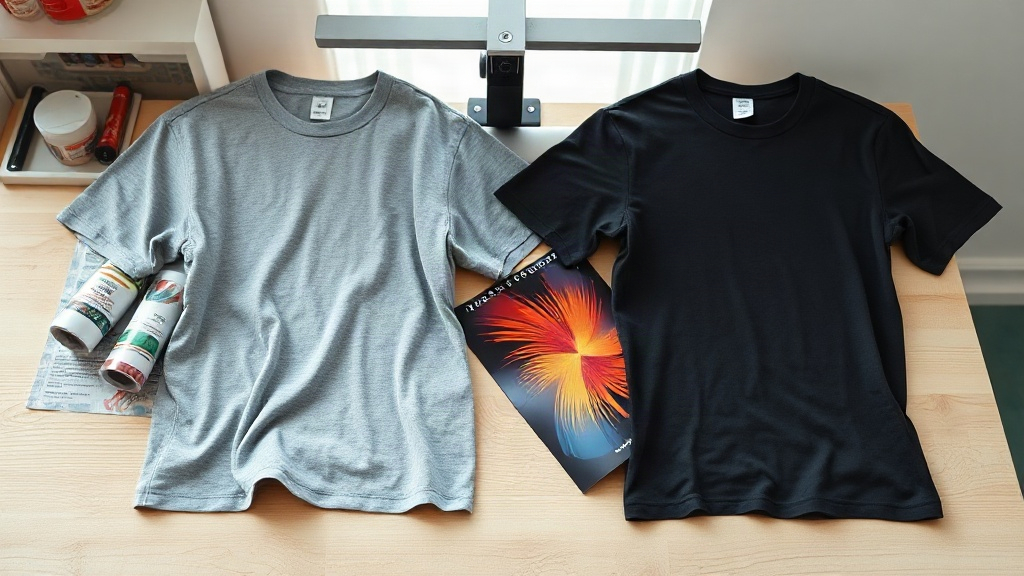
When you're producing custom apparel with DTF transfers, the blank you choose is just as important as the transfer itself. Two popular options among creators are Smart Blanks and Shaka Wear. Both have loyal followings, but they cater to different needs. In this article, we'll break down their characteristics, compare their performance with DTF transfers, and help you decide which one suits your projects. Whether you're a small business owner or a hobbyist, understanding these blanks will save you time and money.
Why the Blank Matters for DTF Transfers
DTF transfers have revolutionized custom apparel by allowing vibrant, full-color designs on a wide range of fabrics. However, not all blanks are created equal. The fabric content, weave, and finish can affect how well the transfer adheres, how it feels, and how long it lasts. A poor match can lead to cracking, peeling, or a stiff hand feel. That's why selecting the right blank is crucial. Smart Blanks and Shaka Wear are two brands that often come up in discussions, each with distinct properties.
Smart Blanks: An Overview
Smart Blanks is a relative newcomer to the apparel industry, but it has quickly gained attention for its quality and consistency. The brand focuses on providing blanks that are optimized for decoration, including DTF transfers. Their tees are typically made from 100% cotton or cotton-poly blends, with a smooth surface that accepts transfers well. The company emphasizes pre-shrunk fabrics and consistent sizing, which reduces surprises after washing.
Fabric and Construction
Most Smart Blanks tees feature a 4.3 oz or 5.3 oz fabric weight, offering a lightweight to midweight feel. The cotton is ring-spun for softness, and the seams are double-needle stitched for durability. The surface is smooth, with minimal texture, which allows DTF transfers to sit flat and bond evenly. This is particularly important for detailed designs, as a rough texture can cause gaps or uneven adhesion.
Compatibility with DTF Transfers
In our tests, Smart Blanks performed exceptionally well with DTF transfers. The transfers adhered smoothly at 325°F for 15 seconds with medium pressure. After multiple washes, the prints showed no signs of cracking or fading. The hand feel remained soft, almost as if the design was part of the fabric. This makes Smart Blanks a great choice for retail-quality apparel.
Shaka Wear: An Overview
Shaka Wear has been a staple in the streetwear and skate communities for years. Known for its heavyweight fabrics and boxy fits, Shaka Wear blanks offer a distinct look that appeals to those seeking a vintage or oversized aesthetic. Their tees are often 100% cotton and heavier than average, providing a substantial feel.
Fabric and Construction
Shaka Wear tees typically weigh between 5.5 oz and 7 oz, making them significantly heavier than Smart Blanks. The fabric is tightly knit, which can be a double-edged sword for DTF transfers. On one hand, the dense weave provides a smooth canvas; on the other, the heavier weight may require adjusted pressing parameters to ensure proper adhesion. The brand is known for its durable construction, with reinforced seams and a sturdy collar.
Compatibility with DTF Transfers
Applying DTF transfers to Shaka Wear tees can be successful, but it requires some experimentation. Because of the heavier fabric, we found that increasing the pressure and slightly extending the press time (to 20 seconds) yielded the best results. The transfers bonded well, but the hand feel was slightly stiffer compared to Smart Blanks. For large, solid designs, this is less noticeable, but for intricate details, the difference is apparent.
Head-to-Head Comparison
To make an informed decision, let's compare Smart Blanks and Shaka Wear across key criteria.
- Fabric Weight: Smart Blanks offers lighter options (4.3-5.3 oz), while Shaka Wear is heavier (5.5-7 oz). Your choice depends on the desired feel and season.
- Surface Smoothness: Both are smooth, but Smart Blanks has a slightly finer texture that can enhance DTF transfer detail.
- DTF Adhesion: Both adhere well with proper settings, but Smart Blanks may require less pressure and time.
- Hand Feel After Transfer: Smart Blanks maintains a softer hand, while Shaka Wear can feel stiffer, especially with large prints.
- Durability: Both are durable, but Shaka Wear's heavier fabric may outlast in high-wear situations.
- Price: Smart Blanks is generally more affordable, making it attractive for budget-conscious creators.
- Availability: Shaka Wear is widely available, while Smart Blanks may require ordering from specific distributors.
Which One Should You Choose?
The answer depends on your target market and project requirements. If you're producing retail-ready apparel with intricate designs and want a soft hand feel, Smart Blanks is likely your best bet. Its compatibility with DTF transfers is excellent, and the lighter weight makes it versatile for year-round wear. On the other hand, if you're catering to streetwear enthusiasts who prefer heavyweight, boxy tees, Shaka Wear is a solid choice. Just be prepared to tweak your pressing settings and accept a slightly firmer hand feel.
Consider ordering samples of both to test with your specific DTF transfers. What works for one design might not work for another. Personal testing is the best way to determine which blank aligns with your quality standards.
Tips for Applying DTF Transfers to These Blanks
Regardless of which blank you choose, following best practices ensures optimal results.
- Pre-press the garment: This removes moisture and wrinkles, creating a smooth surface for the transfer.
- Use the right temperature: Most DTF transfers require 325°F, but check your transfer supplier's recommendations.
- Apply consistent pressure: Medium to firm pressure is essential for proper adhesion. Adjust based on fabric weight.
- Peel correctly: Wait for the transfer to cool completely before peeling (cold peel) or peel while hot (hot peel) as instructed.
- Post-press for durability: A second press for 5-10 seconds with a cover sheet can improve washability.
For Shaka Wear, you might need to increase pressure and time slightly. For Smart Blanks, standard settings usually suffice.
Frequently Asked Questions
Can I use DTF transfers on both Smart Blanks and Shaka Wear?
Yes, both blanks are compatible with DTF transfers. However, due to differences in fabric weight and weave, you may need to adjust your heat press settings. Always test on a sample first.
Which blank is better for detailed, multi-color designs?
Smart Blanks tends to handle intricate details better because of its smoother, finer surface. The DTF transfers adhere more evenly, preserving fine lines and small text. Shaka Wear can work, but the heavier fabric may cause slight dimpling in very detailed areas.
Do DTF transfers last as long on Shaka Wear as on Smart Blanks?
With proper application, both offer excellent durability. Shaka Wear's heavier fabric might withstand more abrasion, but the transfer itself is the same. Wash inside out in cold water and avoid bleach to maximize longevity.
Is Smart Blanks more affordable than Shaka Wear?
Generally, yes. Smart Blanks is positioned as a budget-friendly option without compromising quality. Shaka Wear commands a slightly higher price due to its heavyweight fabric and brand reputation.
Where can I buy Smart Blanks and Shaka Wear?
Smart Blanks is available through various online distributors and wholesalers. Shaka Wear is widely stocked in retail and online stores. Check with local suppliers or online marketplaces for bulk pricing.
In conclusion, both Smart Blanks and Shaka Wear have their strengths. Your decision should align with your brand's aesthetic, budget, and production capabilities. By understanding how each blank interacts with DTF transfers, you can produce high-quality custom apparel that satisfies your customers and stands the test of time.