
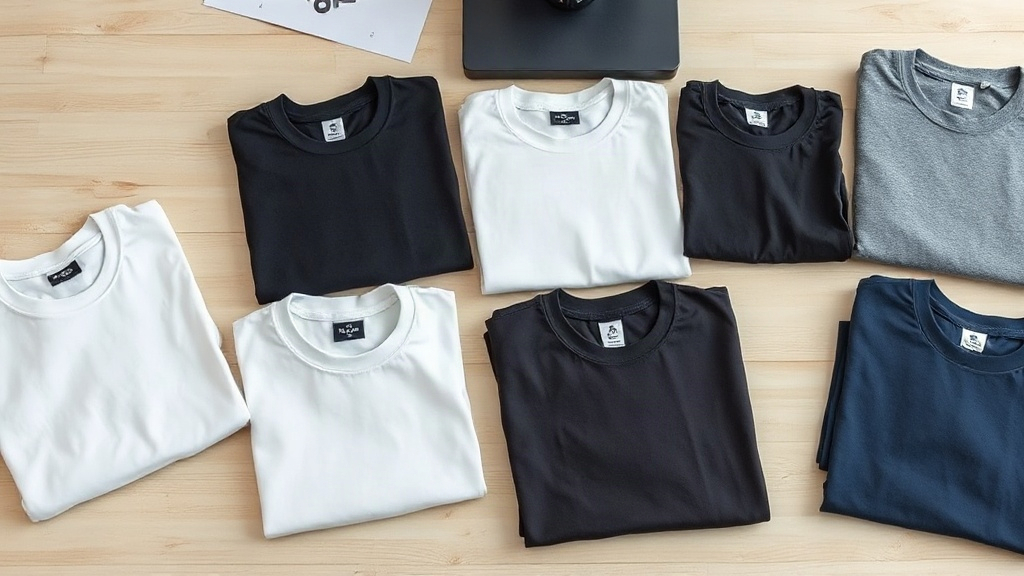
If you run a screen-printing or DTF business, you know the frustration of ordering a batch of blanks only to find half of them have inconsistent sizing or fabric flaws. That's where smart blanks come in. These aren't just another blank tee; they represent a shift in how wholesale apparel is sourced, quality-controlled, and delivered. In this article, we'll explore what makes smart blanks different, how they stack up against established brands like Shaka Wear, and why pairing them with DTF transfers can elevate your product line.
What Are Smart Blanks?
Smart blanks are wholesale apparel items that have been engineered for consistency, durability, and printability. Unlike generic blanks that may vary from batch to batch, smart blanks undergo rigorous quality checks at multiple stages of production. This means you get uniform sizing, reliable fabric weight, and a surface that takes to DTF transfers and screen printing without surprises.
But smart blanks aren't just about quality control. They also come with supply chain intelligence. Many smart blank suppliers use data-driven inventory management, so you're less likely to face backorders or long lead times. For a growing print shop, that reliability can be the difference between meeting a deadline and losing a client.
Key Characteristics of Smart Blanks
- Consistent fit: Each piece is cut and sewn to tight tolerances, so a medium is always a medium.
- Optimal fabric for decoration: Blends are chosen to hold ink well, resist shrinking, and feel soft.
- Traceable supply chain: You can often trace the cotton back to the farm or the mill.
- Eco-friendly options: Many smart blanks use organic cotton or recycled polyester.
How Smart Blanks Compare to Shaka Wear
Shaka Wear has long been a staple in the streetwear and urban apparel scene. Known for their heavyweight cotton and relaxed fits, Shaka Wear blanks are a go-to for brands that want a premium feel. But how do smart blanks stack up?
First, consider the target market. Shaka Wear appeals to those who want a specific aesthetic: thick, boxy tees that drape well. Smart blanks, on the other hand, focus on versatility. They might not have the same streetwear cachet, but they offer a broader range of styles, from slim fit to classic cut, and are often more cost-effective for bulk orders.
Second, think about printability. Both Shaka Wear and smart blanks work well with DTF transfers, but smart blanks are often pre-treated or finished to enhance adhesion. If you're running a high-volume DTF operation, that can reduce waste and reprints.
Third, availability. Shaka Wear has a loyal following, which means popular sizes and colors can sell out quickly. Smart blanks are typically produced with more flexible inventory systems, so you can restock faster.
When to Choose Shaka Wear Over Smart Blanks
- You need a heavyweight, streetwear-style tee that holds its shape.
- Your customers specifically ask for Shaka Wear as a brand.
- You're willing to pay a premium for that specific look and feel.
When Smart Blanks Are the Better Choice
- You need a consistent, reliable supply for large orders.
- You want to offer a range of fits and fabrics without juggling multiple brands.
- You're looking to reduce costs without sacrificing quality.
The Role of DTF Transfers in Modern Apparel Decoration
DTF transfers have revolutionized the way small and medium print shops operate. Unlike screen printing, DTF doesn't require a separate screen for each color, making it ideal for complex, multi-color designs. When you combine DTF with smart blanks, you get a streamlined workflow: order blanks, print transfers, press, and ship.
But not all blanks are created equal when it comes to DTF. The fabric's weave, thickness, and finish all affect how well the transfer adheres and how long it lasts. Smart blanks are often tested with DTF in mind, so you can be confident that your prints will stay vibrant wash after wash.
Tips for Using DTF Transfers with Smart Blanks
- Pre-press the garment: This removes moisture and wrinkles, ensuring a smooth surface.
- Use the right pressure and temperature: Follow the transfer manufacturer's guidelines, but adjust based on the blank's fabric.
- Test before bulk production: Always run a sample to check adhesion and feel.
- Consider the fabric blend: 100% cotton works well, but poly blends may require different settings.
Building a Product Line with Smart Blanks and DTF
If you're launching a new apparel brand or expanding your existing line, smart blanks offer a solid foundation. You can mix and match styles: heavyweights for hoodies, ring-spun cotton for tees, and performance fabrics for activewear. Then, use DTF transfers to add your designs. This combination gives you the flexibility to experiment with small batches before committing to large inventory.
Moreover, smart blanks often come in a wide range of colors, so you can offer seasonal palettes without overstocking. And because they're consistent, your customers know exactly what to expect when they reorder.
Case Study: A Small Print Shop's Success
Take the example of a two-person print shop in Austin. They switched from a mix of random blanks to a single smart blank supplier. Their reprint rate dropped by 30%, and they were able to take on larger orders because they no longer had to inspect every piece for flaws. They paired the blanks with DTF transfers from a local supplier, and within six months, they doubled their monthly revenue. The key was consistency: customers loved that the fit was always the same, and the prints held up after dozens of washes.
Common Mistakes to Avoid When Sourcing Blanks
- Chasing the lowest price: Cheap blanks often mean inconsistent sizing and poor printability, leading to unhappy customers.
- Ignoring fabric content: A 50/50 blend may be cheaper, but it might not take DTF as well as 100% cotton.
- Not testing samples: Always order a sample pack before committing to a large order.
- Overlooking shipping costs: Factor in shipping and import duties; sometimes a slightly higher unit price with free shipping is cheaper overall.
Frequently Asked Questions
What exactly are smart blanks and how do they differ from regular blanks?
Smart blanks are wholesale apparel items produced with tighter quality control, consistent sizing, and often eco-friendly materials. Unlike regular blanks, they are designed to work seamlessly with modern decoration methods like DTF transfers, reducing waste and improving print durability.
Can I use DTF transfers on Shaka Wear blanks?
Absolutely. Shaka Wear blanks are popular for DTF because their heavyweight cotton provides a smooth surface. Just be sure to adjust your heat press settings for the thicker fabric, and always do a test press.
Are smart blanks more expensive than Shaka Wear?
Not necessarily. While some smart blanks may carry a slight premium due to quality control, they often cost less than premium streetwear brands like Shaka Wear. The total cost also depends on order volume, shipping, and any customization.
How do I choose the right smart blank for my DTF business?
Start by identifying your target market. If you're selling to streetwear fans, a heavyweight option might be best. For everyday tees, a ring-spun cotton smart blank works well. Order samples from a few suppliers, test them with your DTF transfers, and evaluate after a few washes.
Where can I buy smart blanks in bulk?
Many wholesale distributors now specialize in smart blanks. Look for suppliers that offer transparent pricing, low minimums, and fast shipping. Online marketplaces and trade shows are also good places to discover new smart blank brands.
Final Thoughts
The apparel decoration industry is evolving, and smart blanks are at the forefront of that change. By combining smart blanks with DTF transfers and selectively using Shaka Wear for niche products, you can build a resilient, customer-focused business. Remember, the goal isn't just to sell blanks; it's to deliver a product that your customers will love to wear and reorder. Choose wisely, test thoroughly, and keep your supply chain agile.