
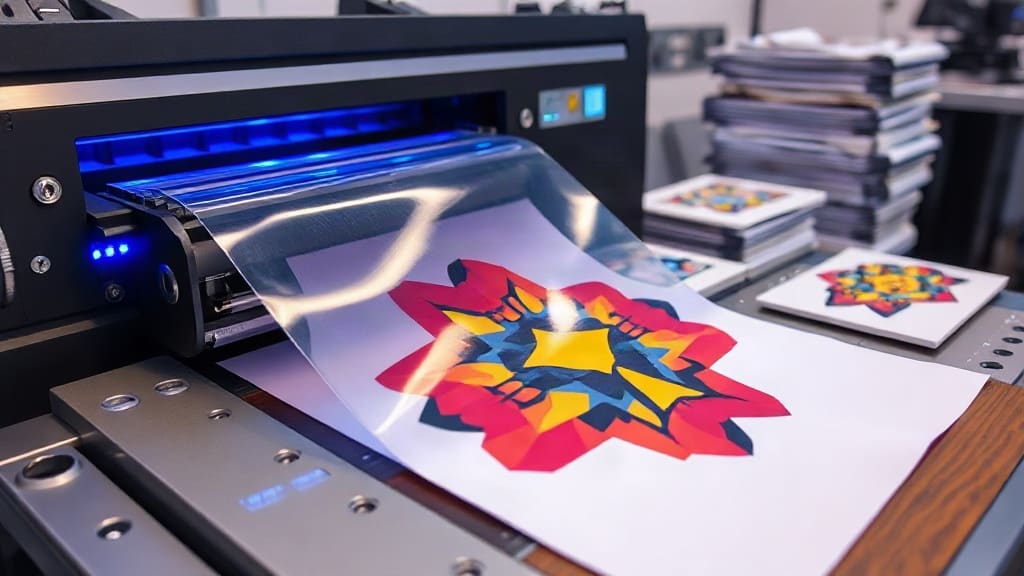
Finding DTF transfers near me used to be a challenge, but now it's easier than ever. Whether you're a small business owner, a hobbyist crafter, or someone looking to create personalized apparel, DTF (Direct to Film) printing offers a fantastic way to produce vibrant, durable designs. In this guide, I'll walk you through what DTF transfers are, how to locate a reliable provider in your area, and what to look for to ensure you get the best results. Let's dive in.
What Are DTF Transfers?
Direct to Film (DTF) printing is a relatively new method that involves printing your design onto a special PET film, applying adhesive powder, and then heat pressing that film onto a garment or other surface. Unlike traditional screen printing, DTF doesn't require screens or complex setups, making it ideal for small orders and detailed designs. The result is a soft, stretchy, and highly detailed transfer that can be applied to cotton, polyester, blends, and even hard surfaces like mugs.
One of the biggest advantages of DTF transfers is their versatility. You can print full-color designs with gradients and fine details without worrying about color limitations. Plus, the transfers are easy to store and use whenever you need them.
Why Choose DTF Transfers?
If you're comparing DTF to other methods like sublimation or vinyl, you'll find that DTF offers several unique benefits:
- Vibrancy: Colors pop, and you can achieve a wide color gamut.
- Durability: Transfers withstand multiple washes without cracking or peeling.
- Flexibility: Works on both light and dark fabrics.
- Cost-effective: No minimum order quantities, making it perfect for small batches.
- Texture: The transfer feels smooth and doesn't add stiffness.
How to Find DTF Transfers Near You
Searching for DTF transfers near me can yield many results, but not all providers are created equal. Here are some tips to help you find a reliable local source:
1. Ask for Recommendations
Start by asking fellow crafters, local business owners, or online communities for recommendations. Word of mouth is often the most reliable way to find a trustworthy printer. If you're part of a Facebook group or a local networking event, don't hesitate to ask around.
2. Check Online Reviews
Use Google Maps, Yelp, or Facebook to read reviews of printing shops near you. Look for patterns in feedback. If several people praise the quality and turnaround time, that's a good sign. Conversely, if you see complaints about fading or poor customer service, take note.
3. Visit Local Printers
If possible, visit the facility in person. This allows you to see their equipment, ask about their process, and even request samples. A professional printer will be happy to show you their work. Seeing the quality firsthand can help you make an informed decision.
4. Evaluate Their Portfolio
Ask to see examples of their previous DTF transfers. Look for sharp lines, accurate colors, and good adhesion. A portfolio can tell you a lot about their capabilities and attention to detail.
5. Compare Pricing
While cost shouldn't be your only factor, it's important to compare prices. Be wary of prices that seem too low, as they might indicate subpar materials or rushed work. On the other hand, high prices don't always guarantee quality. Aim for a balance.
What to Look for in a DTF Transfer Provider
When you've narrowed down your options, consider these key factors to ensure you're getting the best possible product:
Materials and Equipment
Ask about the type of film, inks, and adhesive powder they use. High-quality materials result in better color holdout and durability. Additionally, inquire about their printing equipment. While you don't need to know all the technical details, a provider who invests in modern equipment is likely to produce better results.
Turnaround Time
Depending on your needs, turnaround time can be critical. Some providers offer same-day or next-day services, while others may take a week. Ask upfront about their production times, especially during busy seasons.
Customer Support
Good communication is essential. Choose a provider who is responsive to your questions and provides clear instructions for submitting artwork. They should also offer support after your order is placed.
Customization Options
Does the provider offer design assistance? If you're not a graphic designer, you might need help preparing your artwork. Some shops offer design services at an additional cost. Make sure they can handle your specific requirements.
Tips for Preparing Your Artwork
To get the best results from your DTF transfers, it's important to prepare your artwork correctly. Here are some practical tips:
- Use High-Resolution Files: Ensure your design is at least 300 DPI to avoid pixelation.
- Keep Layers Separate: If your design has multiple elements, save them as separate layers in a PSD or PNG file. This allows for adjustments if needed.
- Color Mode: Use CMYK color mode for printing, and avoid RGB colors that might not translate well.
- Add White Underbase: For dark garments, you'll need a white underbase. Many providers will handle this automatically, but if you're supplying your own file, make sure it's set up correctly.
- Include Bleed: Add a small bleed area (around 1/8 inch) to prevent white edges after cutting.
How to Apply DTF Transfers
Once you have your transfers, proper application is crucial. Here's a step-by-step guide:
- Preheat your heat press to around 320°F (160°C).
- Place the garment on the press and pre-press for 2-3 seconds to remove moisture and wrinkles.
- Position the transfer on the garment with the film side up.
- Press with firm pressure for 15-20 seconds.
- Peel the film while it's still warm (hot peel) or wait for it to cool (cold peel). Follow the provider's instructions.
- Apply a cover sheet and press again for 5-10 seconds to ensure full adhesion.
Always test on a sample fabric first to ensure the temperature and time are correct for your specific garment.
Common Mistakes to Avoid
Even with a great provider, mistakes can happen. Here are a few common pitfalls and how to avoid them:
- Incorrect Temperature: Too high can scorch the fabric, too low won't activate the adhesive. Always follow the recommended settings.
- Not Using Teflon Sheet: Protect the transfer and your press with a Teflon sheet or parchment paper.
- Insufficient Pressure: DTF requires even, firm pressure to ensure proper bonding.
- Poor Quality Files: Sending low-resolution artwork will result in blurry prints.
- Ignoring Fabric Type: Different fabrics may require different settings. Test on a scrap piece first.
Why Local DTF Transfers Are Beneficial
Choosing a local provider for DTF transfers near me has several advantages. You can save on shipping costs and time, especially if you have a deadline. You can also build a relationship with the printer, which can lead to better personalized service and faster turnarounds. Plus, supporting local businesses strengthens your community.
In my experience, visiting a local shop and seeing the production process gave me confidence in their quality. I was able to discuss my needs face-to-face and get immediate feedback. That level of interaction is hard to replicate with an online-only vendor.
Cost Considerations
The cost of DTF transfers varies depending on size, quantity, and complexity. Typically, you'll pay per transfer, with discounts for bulk orders. On average, a standard 8x10 inch transfer might cost anywhere from $2 to $5. However, prices can be higher for intricate designs or larger formats. It's always a good idea to get quotes from multiple providers and compare the breakdown of costs.
Remember, cheaper isn't always better. A transfer that fades after a few washes will cost you more in the long run. Invest in quality to ensure customer satisfaction if you're selling the final products.
Frequently Asked Questions
How long do DTF transfers last?
With proper application and care, DTF transfers can last for many washes without significant fading or cracking. The durability depends on the quality of the materials and the application process. In my experience, a well-made transfer can outlast the garment itself.
Can I use DTF transfers on any fabric?
Yes, DTF works on a wide range of fabrics, including cotton, polyester, nylon, and blends. It's particularly great for dark fabrics because of the white underbase. However, for very stretchy materials like spandex, you should test a sample to ensure the transfer stretches without cracking.
Do I need a heat press to apply DTF transfers?
While a heat press is highly recommended for consistent pressure and temperature, you can use a home iron in a pinch. However, results may vary, and you risk uneven adhesion. If you're just starting, a heat press is a worthwhile investment if you plan to make many items.
Can I order DTF transfers online and have them shipped?
Absolutely! Many companies offer online ordering with shipping. However, if you're looking for DTF transfers near me, you'll likely find local options that offer faster service and the ability to inspect products before purchase.
What is the minimum order quantity for DTF transfers?
Unlike screen printing, DTF has no minimum order, making it ideal for one-offs and small batches. You can order a single transfer or thousands, depending on your needs.
Final Thoughts
Finding the right DTF transfers near me doesn't have to be a daunting task. By doing your research, asking the right questions, and preparing your artwork properly, you can enjoy high-quality, long-lasting prints that will impress your customers or elevate your personal projects. Remember to prioritize quality over price, and don't hesitate to ask for samples before committing to a large order. With the right partner, DTF printing can open up a world of creative possibilities.