
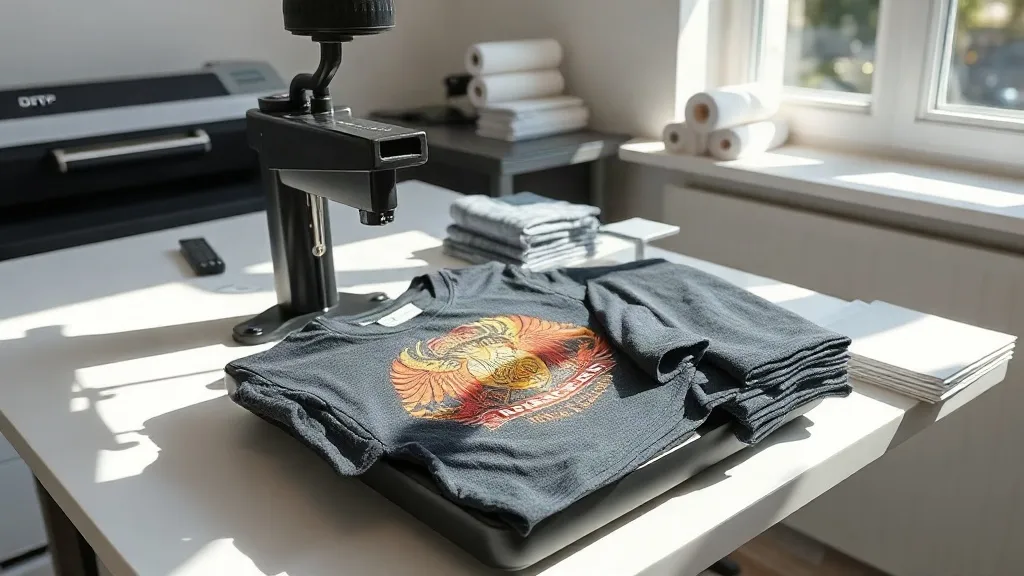
If you have been anywhere near the custom apparel scene lately, you have probably heard the buzz about dtf printing. Short for direct-to-film, this technology is changing the way small shops and hobbyists approach decorating t-shirts, hoodies, and just about anything else you can imagine. Unlike traditional methods that require specific fabrics or complicated setups, DTF offers a versatile, accessible route to vibrant, long-lasting prints. In this guide, I will walk you through what DTF transfers are, how they work, and how you can use them to create professional-grade products without a massive investment.
What Are DTF Transfers?
At its core, a DTF transfer is a printed design on a special film that gets adhered to a garment using heat and pressure. The process starts with a digital printer that lays down CMYK inks plus white ink onto a PET film. A hot-melt powder adhesive is applied to the wet ink, then the film is cured. When you are ready to apply the design, you place the film on your fabric, press it with a heat press, and peel away the film. The result is a soft, stretchable print that bonds permanently to the material.
What sets dtf transfers apart from other decoration methods is their incredible versatility. They work on cotton, polyester, blends, and even tricky fabrics like nylon and leather. There is no need for pre-treatment or special coatings, and the color vibrancy is outstanding because the white ink layer makes the colors pop on both light and dark garments.
Why DTF Is Gaining Popularity
DTF printing has exploded in popularity for several reasons. First, the cost of entry is relatively low. You can buy a decent DTF printer for a few thousand dollars, and the supplies are affordable. Second, the workflow is straightforward: print, powder, cure, press. No weeding, no masking, no color limitations. Third, the prints are extremely durable. When applied correctly, a DTF transfer can outlast the garment itself, surviving dozens of washes without fading or cracking.
Another big advantage is the ability to produce full-color, photographic-quality images with fine details. Unlike vinyl cutting, which limits you to solid colors and simple shapes, DTF can reproduce gradients, shadows, and intricate patterns. This opens up a world of creative possibilities for custom apparel businesses.
How to Apply DTF Transfers: Step by Step
Getting a perfect DTF transfer application is not rocket science, but it does require attention to detail. Here is the process I follow in my own shop.
Step 1: Prepare Your Workspace
Set your heat press to the recommended temperature, usually between 325°F and 350°F (160°C to 175°C). Make sure your garment is clean, dry, and wrinkle-free. Pre-press for a few seconds to remove moisture and any wrinkles.
Step 2: Position the Transfer
Place the DTF transfer film on the garment with the printed side facing up. If you are using a transfer with a white background, you can trim it close to the design to reduce the feel. For designs with fine details, leave a small border to prevent ink from bleeding onto the fabric.
Step 3: Press and Peel
Apply medium to heavy pressure for 10-15 seconds. The exact time and temperature can vary depending on your press and the film manufacturer, so always test first. After pressing, let the garment cool for a few seconds, then peel the film off in a smooth, steady motion. If you peel while hot, you might get a matte finish; if you wait until cool, you get a glossy finish. Both are fine, but consistency is key.
Step 4: Post-Press for Durability
For maximum washability, cover the design with a Teflon sheet or parchment paper and press again for 5-10 seconds. This step ensures the adhesive fully cures and the print becomes one with the fabric.
Common Mistakes and How to Avoid Them
Even experienced crafters run into issues with DTF. Here are the most common pitfalls and my solutions.
- Insufficient pressure: If the transfer does not stick, increase the pressure. You want the press to feel snug but not impossible to close.
- Wrong temperature: Too hot and the film may melt or the ink may scorch; too cold and the adhesive won't activate. Invest in an infrared thermometer to verify your press temperature.
- Peeling too early or too late: Follow the film instructions. Most DTF films are designed for cold peel, but some are hot peel. Using the wrong method can ruin the transfer.
- Not pre-pressing: Moisture is the enemy of DTF. Always pre-press the garment to remove any lingering dampness.
Choosing the Right DTF Supplies
Not all DTF films and powders are created equal. When you are starting out, buy from a reputable supplier who provides consistent quality. Cheap films can cause ink smearing or poor adhesion, and low-grade powder may clog your printer or fail to bond. I recommend testing a few brands to see what works best with your printer and your typical fabrics.
Ink quality also matters. Look for DTF inks that are specifically formulated for your printer model. Using third-party inks can void your warranty and lead to clogs. And do not forget about maintenance: DTF printers need regular cleaning to keep the printhead in top shape.
DTF vs. Other Decoration Methods
How does DTF stack up against screen printing, DTG, and vinyl? Screen printing is cost-effective for large orders of one design, but it requires setup and is not practical for small batches. DTG prints directly onto cotton, but it struggles with polyester and dark colors unless you use a pretreatment. Vinyl is great for simple designs but limited in color and detail. DTF, on the other hand, excels at short runs, complex designs, and a wide range of fabrics. It is the sweet spot for personalized products and small businesses.
Frequently Asked Questions
Can DTF transfers be applied to any fabric?
DTF works on most fabrics, including cotton, polyester, blends, nylon, and leather. However, fabrics with a heavy texture or coating may require extra pressure or a longer press time. Always test on a scrap piece first.
How long do DTF transfers last?
With proper application and care, DTF prints can last as long as the garment. They are highly durable and resistant to cracking, fading, and peeling. Wash inside out in cold water and avoid harsh detergents to maximize longevity.
Do I need a special printer for DTF?
Yes, you need a DTF printer that uses DTF inks and has a white ink channel. You can convert some Epson printers with a DTF kit, but dedicated DTF printers are more reliable for consistent results.
What is the best way to store unused DTF transfers?
Keep them in a cool, dry place away from direct sunlight. Store them flat or rolled, not folded, to prevent creases. If stored properly, they can last for several months.
Is DTF printing cost-effective for small businesses?
Absolutely. The low setup cost and ability to print one-offs make DTF ideal for small businesses. You can offer custom designs without minimum orders, which is a huge selling point for personalized gifts and small-batch apparel.
Final Thoughts
DTF transfers have democratized custom apparel decoration. Whether you are a hobbyist looking to make shirts for your family or a small business owner wanting to expand your product line, DTF offers a practical, high-quality solution. With a bit of practice and the right supplies, you can achieve professional results that impress your customers and keep them coming back. So why not give it a try? Your next best-selling design might be just a press away.