
DTF transfers have taken the custom apparel industry by storm. If you've been searching for a printing method that combines durability, versatility, and ease of use, you've likely come across this term. But what exactly are they, and how do they differ from other methods like screen printing or vinyl? In this guide, we'll peel back the layers, share insider tips, and help you decide if this is the right choice for your projects.
I remember the first time I tried a DTF transfer. I was skeptical, having struggled with vinyl weeding and screen printing setup times. But after a few test runs, I was hooked. The colors were vibrant, the wash durability was impressive, and the ability to print on a variety of fabrics opened up new possibilities. Let's dive into everything you need to know.
What Are DTF Transfers?
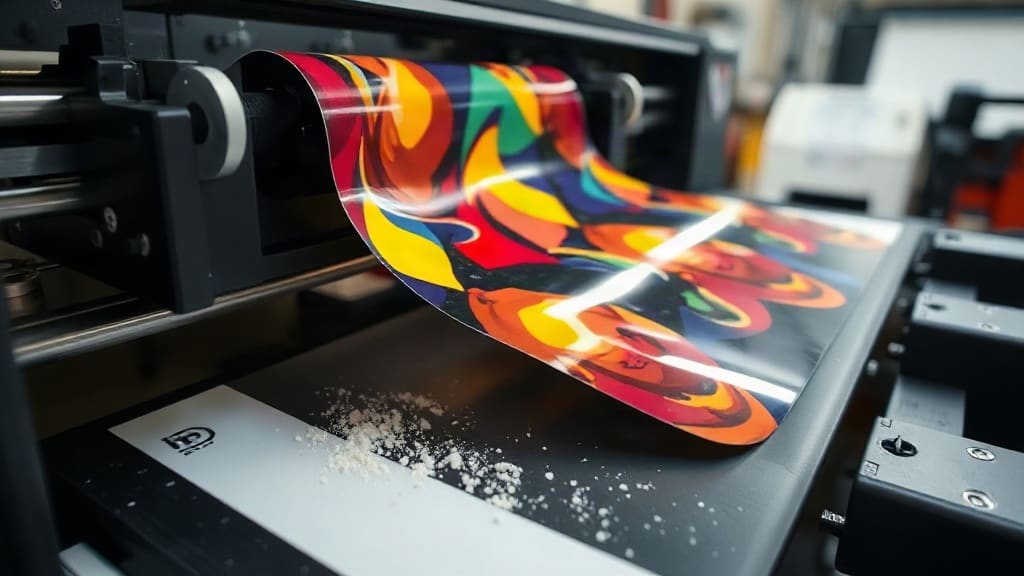
DTF stands for Direct to Film. It's a printing method where a design is printed onto a special PET film using a DTF printer and pigment inks. The design is then coated with adhesive powder, cured, and later transferred to a substrate using a heat press. Unlike direct-to-garment (DTG) printing, which prints directly onto the fabric, DTF prints onto a film first, making it incredibly versatile.
The process might sound simple, but it involves precise steps and quality materials to achieve a lasting result. The key components are the film, the adhesive powder, and the transfer process itself. Each plays a crucial role in ensuring that your design adheres well and withstands washing.
How Does DTF Transfer Work?
Step 1: Printing the Design
You start by creating your design in graphic software. Then, using a DTF printer equipped with white ink capability, you print the design onto a PET film. The white ink is vital because it serves as a base, especially when printing on dark fabrics. The printer lays down colors, then a layer of white, and sometimes a varnish layer to protect the ink.
Step 2: Applying Adhesive Powder
While the ink is still wet, you cover the printed design with a special adhesive powder. This powder is what makes the transfer stick to the fabric. You'll want to apply it generously, ensuring even coverage. Then, you shake off the excess and cure the powder using heat. This melts the adhesive, making it tacky.
Step 3: Pressing the Transfer
Once the film is ready, you place it on your garment, with the design facing down. You press it with a heat press at around 320°F (160°C) for about 15 seconds, using medium pressure. After it cools, you peel the film away, leaving the design perfectly transferred onto the fabric.
It sounds easy, but there are nuances. For instance, the type of film, the quality of powder, and the press settings all affect the outcome. But once you get the hang of it, DTF can be a game-changer for your business.
Why Choose DTF Transfers?
Many print shops are switching to DTF transfers because of the numerous advantages they offer. Let's explore some compelling reasons.
Versatility Across Fabrics
One of the biggest wins is that DTF works on almost any fabric: cotton, polyester, blends, nylon, and even leather. This versatility is a huge advantage over DTG, which works best on 100% cotton. If you want to print on performance wear or a tote bag, DTF handles it with ease.
Durability and Stretchability
DTF transfers are known for their excellent washability. They can withstand repeated washing without cracking or fading, as long as you use quality materials and proper pressing. The adhesive powder creates a strong bond, and the ink is flexible, so the design moves with the fabric.
No Need for Pretreatment
Unlike DTG, which requires pretreatment on garments to ensure ink adhesion, DTF skips that step. This saves time and reduces the risk of errors. You can print on dark and light fabrics without any additional chemicals.
Cost-Effective for Small Runs
Setting up a screen printing job for a small order can be costly due to screen creation. DTF allows you to print single items or small batches economically. There's no minimum order, and you can print on demand, reducing inventory costs.
DTF vs. Other Printing Methods
To truly appreciate DTF transfers, it helps to compare them with traditional methods.
DTF vs. Screen Printing
Screen printing is ideal for large quantities because the per-unit cost drops significantly. However, it requires a significant upfront investment in screens and setup. DTF is more flexible for small to medium runs and allows for full-color prints without extra cost per color. Screen printing's strength lies in its durability and ability to achieve thick ink layers, but DTF is closing the gap.
DTF vs. DTG
DTG prints directly onto the garment, offering a soft hand feel. However, it only works well on cotton and requires pretreatment. DTF works on more fabric types and can be used to create transfers that you can press later, which is great for on-demand production. The hand feel of DTF is slightly thicker, but many find it acceptable.
DTF vs. Heat Transfer Vinyl (HTV)
HTV requires cutting and weeding, which is time-consuming for intricate designs. DTF prints the whole design in one go, including fine details and gradients. HTV is often limited to solid colors, while DTF offers full-color, photo-quality prints.
Key Tips for Perfect DTF Transfers
Getting professional results requires attention to detail. Here are some tips I've learned from experience.
Invest in a Good Printer
Not all printers are created equal. A dedicated DTF printer with built-in white ink circulation is essential. Using an adapted inkjet printer might save money initially but can lead to clogging and inconsistent results. Look for models from reputable brands that offer support.
Use High-Quality Films and Powders
Cheap films can warp or fail to release properly. High-quality PET films are designed to withstand heat and provide a smooth release. Similarly, the adhesive powder must have the right particle size and melting point. Test different brands to find what works best for your setup.
Master Your Heat Press Settings
Temperature, time, and pressure are critical. Too little heat and the adhesive won't bond; too much can damage the fabric. I recommend starting with the manufacturer's guidelines and then fine-tuning based on your specific press and materials. A heat press with precise controls is a worthy investment.
Pre-Press Your Garment
Moisture can interfere with adhesion. Before applying the transfer, pre-press your garment for a few seconds to remove any wrinkles and moisture. This ensures a clean, flat surface.
Common Mistakes to Avoid
Even seasoned printers can stumble. Be aware of these pitfalls.
Using the Wrong Powder
There are different powders for different purposes: some are for light fabrics, others for dark. Using the wrong type can result in poor adhesion or a gritty feel. Always match the powder to your fabric type.
Skipping the Shake Off
After applying powder, you must shake off the excess thoroughly. If left on, it can cure and create a rough texture. Use a brush to ensure you remove all loose powder before curing.
Rushing the Cure
The adhesive powder needs to melt completely to activate. If you don't cure it long enough, the powder won't fully melt, and the transfer may not stick well. Use a heat gun or the heat press to cure until the powder looks glossy.
Applications of DTF Transfers
The beauty of DTF transfers is their wide range of applications. Here are some popular uses:
- Custom t-shirts, including dark-colored ones
- Sportswear and athletic apparel
- Workwear and uniforms
- Tote bags and accessories
- Home textiles like pillows and aprons
Because you can print the transfer on demand and store it, you can easily offer custom products without tying up inventory.
Frequently Asked Questions
How many washes do DTF transfers last?
With proper application, DTF transfers can withstand 50 or more washes without significant fading or cracking. To maximize longevity, wash garments inside out in cold water and avoid using bleach. Tumble drying on low is fine, but high heat might degrade the adhesive over time.
Can I use DTF transfers on 100% cotton?
Absolutely! DTF works wonderfully on cotton and cotton blends. In fact, it's one of the best methods for cotton because it requires no pretreatment, unlike DTG. Just ensure you use the appropriate powder and press settings for cotton.
Do I need a special printer for DTF?
Yes, you need a printer that is designed for DTF printing. These printers have a white ink system that circulates the ink to prevent settling. Regular inkjet printers cannot handle the white pigment ink, as it can clog easily. Investing in a dedicated DTF printer is crucial for consistent results.
Can DTF transfers be used on dark fabrics?
Yes, that's one of the major advantages. The white ink base ensures that your design pops on dark colors. Unlike some other methods, DTF prints a white layer under the colors, so even vibrant designs remain opaque and vivid.
How do I store unused DTF transfers?
Store your printed and powdered films in a cool, dry place away from direct sunlight. You can keep them flat or rolled, but avoid folding which can crack the powder. When you're ready to use them, just press them as usual. They have a shelf life of several months if stored properly.
Final Thoughts
DTF transfers are a fantastic addition to any print shop or home business. They offer flexibility, durability, and ease of use that can simplify your workflow and expand your product range. Whether you're a hobbyist or a professional, mastering this technique can open up new opportunities.
Remember, the key is to start with quality materials and practice. Don't be afraid to experiment with different films, powders, and press settings to find what works best for you. Before long, you'll be producing stunning prints that your customers will love.
If you're ready to dive in, there are many resources available to help you get started. But with the knowledge you've gained here, you're already on the right track. Happy printing!