
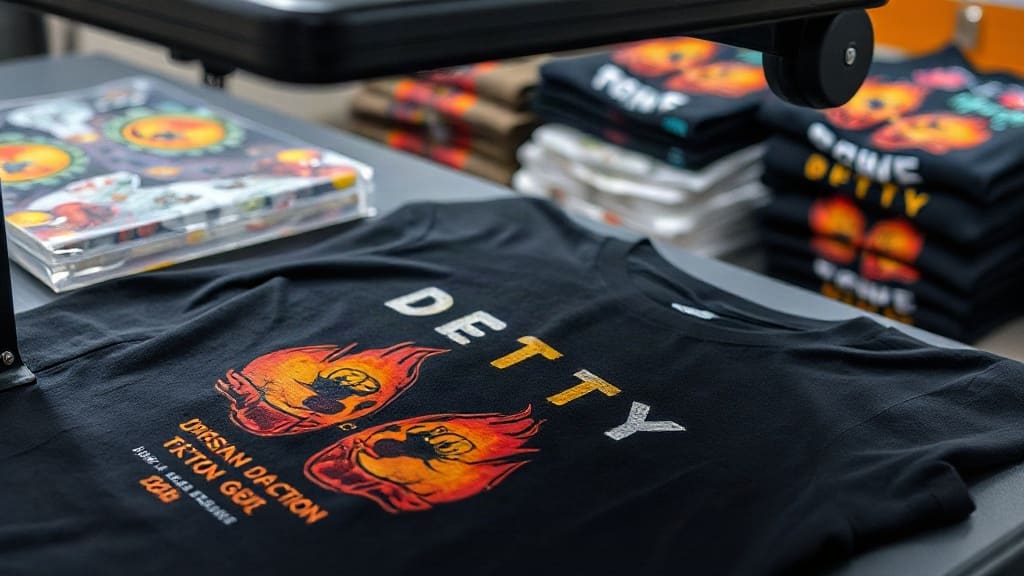
If you're in the custom apparel business or just love creating your own shirts, you've likely heard about DTF transfers. They've taken the printing world by storm, offering a versatile and durable way to put vibrant designs on fabric. But what exactly are they, and why are they so popular? In this guide, I'll walk you through everything you need to know, from how they're made to tips for applying them perfectly.
What Are DTF Transfers?
DTF transfers (Direct to Film) are a printing method where a design is printed onto a special film, coated with adhesive powder, and then heat-pressed onto fabric. Unlike traditional screen printing or heat transfer vinyl, DTF allows for high-detail, full-color prints without the need for weeding. You can print images with gradients, shadows, and intricate details that would be nearly impossible with other methods.
How Does DTF Printing Work?
The process starts with a digital design. Using a specialized printer, you print the design onto a clear PET film with a white ink base. After printing, an adhesive powder is applied to the wet ink, and the film is heated to melt the powder, creating a bond. Once cooled, the transfer is ready to be pressed onto a garment. When you heat press it, the adhesive melts again and fuses the ink to the fabric fibers.
Why Choose DTF Transfers?
There are several reasons why DTF transfers have become a go-to for many printers and DIY enthusiasts:
- Versatility: Works on a wide range of fabrics: cotton, polyester, blends, and even tricky materials like nylon or leather.
- No Weeding: Since the entire design is printed, you don't have to cut and peel away excess material.
- High Detail: The white ink base allows for vibrant colors on dark garments, and you can print tiny text or complex graphics.
- Soft Hand Feel: The print is thin and flexible, leaving a soft texture on the shirt.
- Cost-Effective for Small Runs: No screens or large minimums; you can print one or many.
DTF vs. Other Transfer Methods
Let's compare DTF transfers to other popular options like screen printing and vinyl:
DTF vs. Screen Printing
Screen printing is excellent for large orders with simple colors, but it's not economical for small batches or intricate designs. DTF shines when you need full-color prints without the setup costs.
DTF vs. Heat Transfer Vinyl
HTV is great for solid colors and simple shapes, but it requires weeding and can crack over time. DTF offers more vibrancy and flexibility, especially for designs with multiple colors and fine lines.
How to Apply DTF Transfers
Applying DTF transfers correctly is crucial for durability and appearance. Here's a step-by-step guide:
- Pre-press your garment for a few seconds to remove moisture and wrinkles.
- Place the transfer face down on the garment where you want it.
- Cover with a Teflon sheet or parchment paper.
- Press at about 320°F (160°C) for 15-20 seconds with medium pressure.
- Let it cool for a few seconds, then peel the film slowly. For some transfers, you might peel hot, so read the instructions.
Tips for Perfect Results
Here are some tips I've learned from experience to get the best out of your DTF transfers:
- Always use high-quality film and adhesive powder; cheap materials can lead to poor adhesion.
- Make sure your printer's ink is compatible with the film.
- Test on a sample fabric before doing the final garment.
- Use consistent pressure and temperature; fluctuations can cause cracking or peeling.
- Wash garments inside out in cold water to extend the life of the print.
Common Mistakes to Avoid
Even experienced printers make mistakes. Here are some pitfalls:
- Not shaking the powder enough, leading to uneven coating.
- Using too much heat, which can scorch the film or fabric.
- Peeling too early or too late; timing matters.
- Ignoring the direction of stretch in fabrics; place the transfer to minimize stress.
Frequently Asked Questions
Can DTF transfers be used on dark shirts?
Yes, that's a major advantage. The white ink layer ensures that your design pops on dark fabrics without needing a white underbase like in screen printing.
How many washes do DTF transfers last?
With proper application and care, DTF prints can withstand over 50 washes without significant fading or cracking. It's important to follow the care instructions.
Do I need a special printer for DTF transfers?
Yes, you'll need a printer that can handle DTF inks and films. Many people use EPSON printers modified for DTF, but you can also purchase dedicated DTF printers.
Can I use DTF transfers on materials other than cotton?
Absolutely! DTF works on polyester, nylon, and even leather. However, the temperature and pressure might need adjusting for different materials.
Is DTF printing cost-effective for small businesses?
Definitely. Since there are no setup fees and you can print on-demand, DTF is perfect for small runs and e-commerce businesses.
Conclusion
DTF transfers offer a fantastic combination of quality, versatility, and convenience. Whether you're a professional printer or a hobbyist, mastering this technique can open up endless possibilities for your custom apparel. I hope this guide has given you the confidence to try them out. Happy printing!