
If you're in the custom apparel business, you've likely heard about DTF transfers and how they're revolutionizing the industry. But what exactly are they, and why are they becoming the go-to method for printing on garments? In this comprehensive guide, we'll break down everything you need to know about DTF transfers, from the basic process to advanced tips for achieving flawless results. Whether you're a seasoned printer or just starting out, this article will equip you with the knowledge to elevate your printing game.
What Are DTF Transfers?
DTF stands for Direct to Film. It's a printing method where a design is printed onto a special PET film using a DTF printer, then coated with an adhesive powder, and finally heat-pressed onto the fabric. The result is a vibrant, durable print that can be applied to a wide range of materials, including cotton, polyester, blends, and even leather.
The DTF transfer process differs from traditional methods like screen printing or heat transfer vinyl because it allows for high-detail, full-color prints without the need for screens or weeding. This makes it an excellent choice for small to medium runs and custom orders.
How DTF Transfers Work: Step-by-Step
Understanding the process can help you appreciate the technology and troubleshoot any issues. Here's a breakdown of how DTF transfers are made:
- Design Creation: Your artwork is prepared in a design software, ensuring it's in the correct color profile and resolution (typically 300 DPI).
- Printing: The design is printed onto a PET film using specialized DTF printers that use CMYK + white ink. The white ink acts as an underbase for vibrant colors on dark garments.
- Powder Application: While the ink is still wet, a hot-melt adhesive powder is applied to the film. The powder sticks only to the wet ink areas.
- Curing: The film is passed through a curing oven or heat tunnel to melt the powder, which creates a strong adhesive bond.
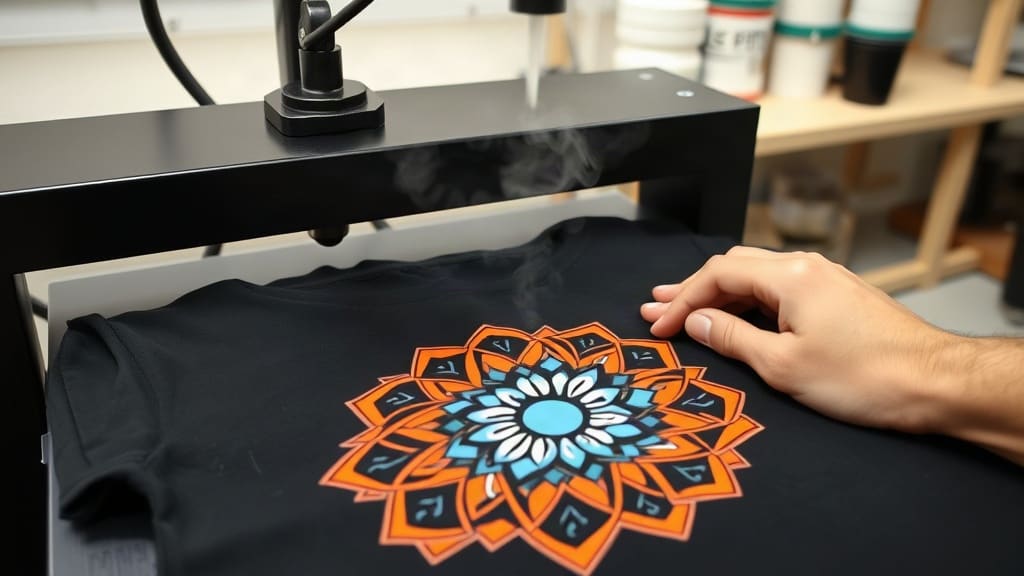
- Transfer: The film is placed onto the garment with the design facing down, and a heat press is applied at specific temperature and pressure for a set time.
- Peeling: After pressing, the film is peeled away, leaving the design permanently fused to the fabric.
If you're planning to produce your own DTF transfers, investing in quality equipment and materials is crucial. Even if you're buying pre-made transfers, knowing the process helps you choose a reliable supplier.
Benefits of Using DTF Transfers
Why are DTF transfers becoming so popular? Here are some key advantages:
- Versatility: DTF transfers can be applied to a wide range of fabrics, including difficult ones like nylon or leather, without needing special pretreatment.
- Durability: The prints are stretchable and resistant to cracking or fading, making them suitable for activewear and frequent washing.
- High Detail: The method captures intricate details and vibrant colors, making it ideal for complex designs and photographs.
- No Weeding: Unlike vinyl, there's no need to manually weed out excess material, saving time and labor.
- Cost-Effective for Small Runs: With no screen setup costs, DTF is perfect for custom orders and low-volume production.
- Easy to Store: Pre-made transfers can be stored and applied on-demand, which is great for just-in-time inventory.
DTF Transfers vs. Other Printing Methods
To make an informed decision, it's helpful to compare DTF transfers with other popular methods:
DTF vs. DTG
Direct-to-Garment (DTG) printing involves printing directly onto the shirt using inkjet technology. While DTG produces excellent soft prints, it requires a pretreatment for dark fabrics and is slower for bulk orders. DTF transfers can be pre-printed and stored, allowing for faster turnaround times and easier on-demand production.
DTF vs. Screen Printing
Screen printing is still the champion for massive runs due to its low per-unit cost, but it requires extensive setup and is limited in detail and color gradients. DTF transfers offer more flexibility and are better suited for orders with multiple designs or smaller quantities.
DTF vs. Heat Transfer Vinyl
Heat transfer vinyl (HTV) is great for simple, single-color designs and offers a durable finish. However, it's limited in color complexity and requires weeding. DTF transfers handle full-color designs with ease and don't need weeding, making them more efficient for detailed logos.
Essential Equipment for DTF Transfers
If you're setting up in-house production, you'll need:
- DTF printer (usually an Epson or Ricoh modified printer)
- PET films (in roll or sheet form)
- Adhesive powder (hot-melt type)
- Shaker and powder application unit
- Curing oven or heat press with tunnel
- Heat press for transferring
Investing in quality equipment ensures consistent results. Many suppliers offer complete DTF starter kits, which can be a cost-effective way to begin.
Step-by-Step Guide to Applying DTF Transfers
Once you have your transfers, proper application is key to a long-lasting print. Here's a detailed guide:
- Preheat your heat press to 320°F (160°C).
- Place the garment on the press and press for 2-3 seconds to remove moisture and wrinkles.
- Position the DTF transfer onto the garment, ensuring it's centered and aligned.
- Apply firm and even pressure for 15-20 seconds using a Teflon sheet or parchment paper to protect the film.
- Let the garment cool for a few seconds, then peel the film slowly and evenly.
- To ensure maximum durability, you can apply a second press with a Teflon sheet over the design for 5-8 seconds.
Tips for Getting the Best Results
Even with the right equipment, small nuances can make a big difference. Here are some pro tips:
- Use high-quality films: Cheaper films might save money upfront but can lead to issues like poor transfer or cracking.
- Control the powder: Too much powder can cause a thick, plastic-like feel; too little can lead to weak adhesion. Ensure even coverage.
- Mind your peeling speed: Peel the film at a consistent pace, not too fast, to avoid damaging the ink.
- Test on different fabrics: Each fabric type may require slight adjustments in time, temperature, and pressure. Keep a log of your settings.
- Store transfers properly: Keep them in a cool, dry place away from direct sunlight to prevent the adhesive from degrading.
Common Mistakes to Avoid
Many beginners make these errors, but you can easily avoid them:
- Using the wrong heat press settings: Always follow the manufacturer's recommendations.
- Skipping the test print: Always do a test run to ensure colors are accurate.
- Not using enough pressure: Inconsistent pressure can lead to partial adhesion.
- Forgetting to shake the powder: The powder can settle, so mix it well before each use.
- Overlooking the garment's fabric content: DTF works on many fabrics, but blends may need different handling.
Frequently Asked Questions About DTF Transfers
Can DTF transfers be used on dark-colored shirts?
Absolutely! One of the biggest advantages of DTF transfers is their ability to print on dark fabrics. The white ink underbase ensures that colors pop even on black or navy shirts, providing a vibrant result.
How long do DTF transfers last?
With proper application and care, DTF transfers can last as long as the garment itself. They are resistant to cracking, peeling, and fading when washed and dried correctly. Always turn garments inside out and wash in cold water to maximize longevity.
Do DTF transfers require a special printer?
Yes, DTF printing requires a printer that can handle pigment inks and white ink. Regular inkjet printers won't work. You can either purchase a dedicated DTF printer or convert an Epson printer with a DTF conversion kit.
Can I use DTF transfers on polyester?
Yes, DTF transfers work on polyester and polyester blends. However, be cautious with high-heat settings as they can damage synthetic fabrics. Use a lower temperature and longer pressing time to achieve good results.
What is the cost of DTF transfers compared to screen printing?
For small to medium quantities, DTF transfers are often more cost-effective because there are no screen setup fees. For very large orders, screen printing may offer a lower cost per unit, but DTF provides more flexibility and faster turnaround times.
Final Thoughts
DTF transfers have opened up new possibilities for custom apparel businesses, offering a versatile, high-quality, and efficient printing method. By understanding the process and implementing the tips shared in this guide, you can produce stunning prints that will impress your customers and keep them coming back for more. Whether you're just starting or looking to expand your capabilities, DTF transfers are a smart investment in today's competitive market.